
The Integrity of Every Atmospheric Bit.
Climate analytics are only as reliable as the raw observations behind them. At Monsoon Metrics Labs, we don't just aggregate weather data—we subject it to a rigorous multi-stage forensic cleaning process to eliminate sensor drift and reporting bias.
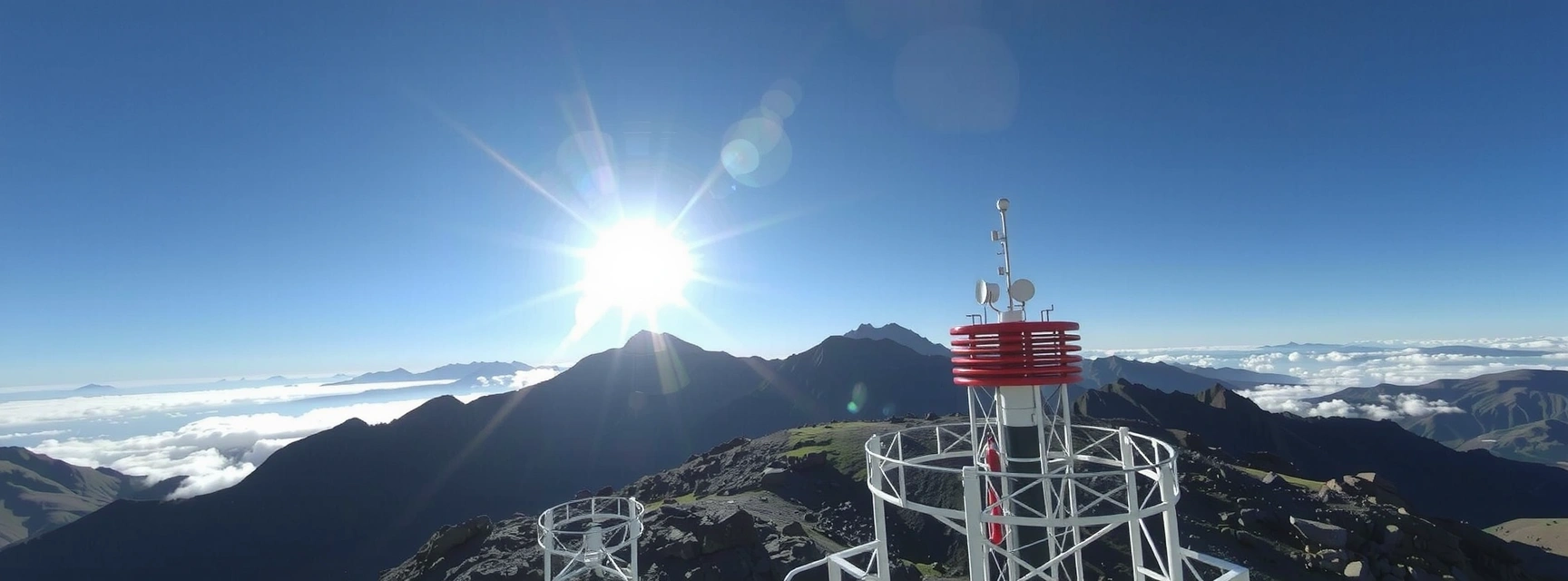
To provide a "Single Source of Truth" for risk modeling, moving beyond raw satellite feeds into verified institutional-grade intelligence.
We adhere to the WMO Guidelines on Quality Control Procedures, supplemented by our proprietary machine-learning outlier detection.
The Triple-Gate Architecture
Raw weather data is notoriously noisy. Sensors in tropical climates face unique challenges—humidity degradation, solar radiation interference, and rapid-onset monsoon turbulence. Our verification standards are built on a three-tier "gate" system that filters out artifacts before they reach your risk model.
Explore SolutionsTemporal Logic Check
We analyze the rate of change between consecutive readings. If a temperature spikes 10 degrees in three seconds, the data is flagged as a sensor malfunction rather than a meteorological event.
Spatial Cross-Reference
No station exists in a vacuum. We calibrate local ground station data against 14 neighboring points and secondary satellite arrays to ensure geographic consistency.
Bias Correction Engine
Historical sensor drift is corrected through deep-learning weights, neutralizing the impact of aging hardware on long-term climate trend analysis.
"Accuracy isn't an accident; it's the result of aggressive, daily skepticism of the data we receive."
Transparency in Analytics
"All satellite weather data is essentially the same."
Satellite feeds vary wildly in resolution and atmospheric occlusion handling. Monsoon Metrics Labs re-processes raw 'Level 0' radiance data to ensure consistency across providers, a step most aggregators skip to save costs.
"AI can perfectly fix missing sensor data."
AI hallucination is a real risk in climate analytics. While we use machine learning for gap-filling, we always mark 'imputed' data with a specific confidence flag, ensuring risk modelers know what is observed versus estimated.
Data Journey Visualization
How a single measurement travels from the field to your terminal.
Ingestion & Harmonization
Multiple formats (WMO, NEXRAD, proprietary IoT) are converted into a standardized NetCDF format, stripping out metadata bloat while preserving spatial headers.

Forensic QC Scrubbing
The core of our verification. Each cell undergoes a 28-point automated check by our climate analytics engine, looking for sensor "stickiness" or impossible gradients.

Final Validation & Export
Data is signed with a digital cryptographic hash. This ensures the climate risk modeling you perform today uses the exact same baseline data tomorrow, critical for regulatory auditing.
Scientific Governance
Verifying weather data isn't just about software; it's about the humans who oversee the algorithms. Our Bangkok-based team includes meteorologists, structural engineers, and risk modeling specialists who perform manual sanity checks on 5% of all flagged anomalies.
We maintain a 25-year backtestable archive for all Southeast Asian climate zones.
Station latency is monitored in real-time, with automatic tiering of data quality based on ping health.
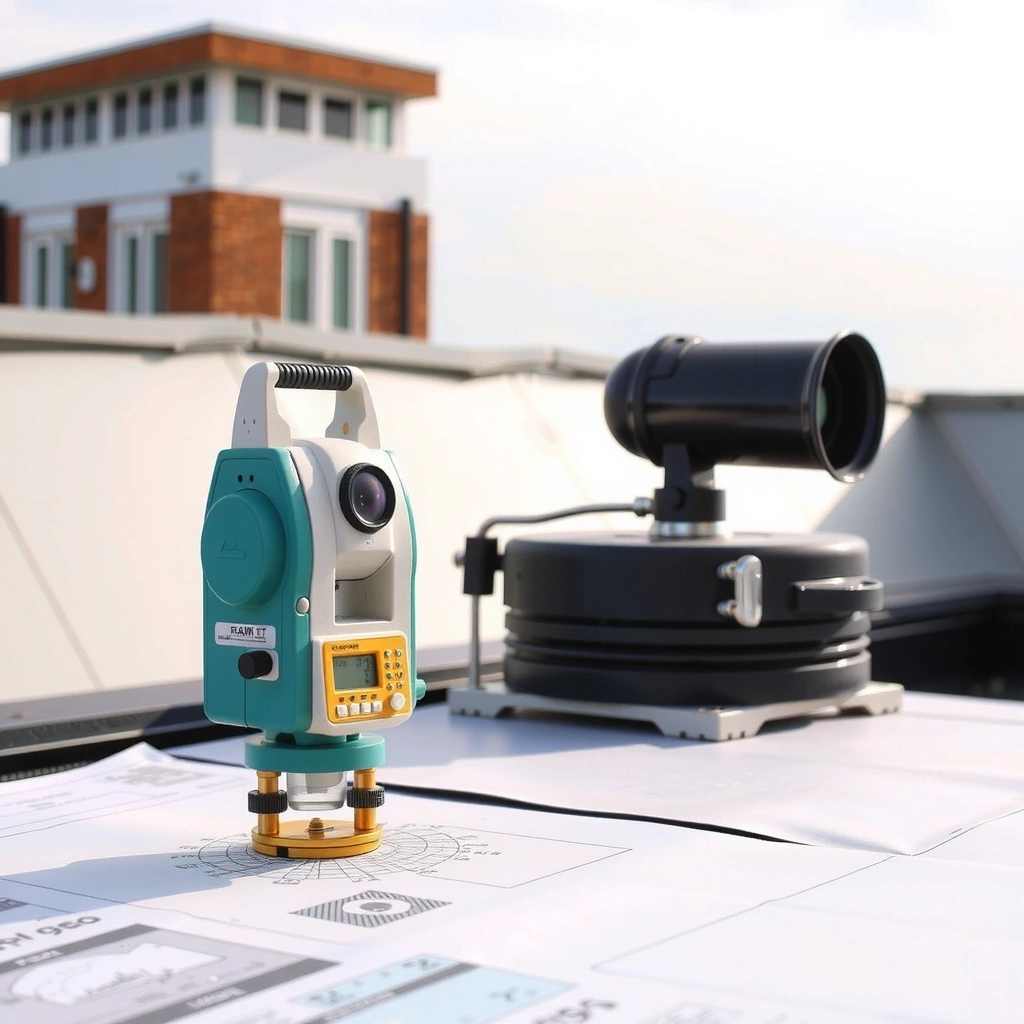
AUDITED BY
External QA Panel 2026
"The Monsoon Metrics Labs data cleansing pipeline has demonstrated a 14% reduction in outlier distortion compared to base satellite datasets in the Chao Phraya region."
Ready for High-Fidelity Risk Modeling?
Stop guessing with raw data. Join 40+ regional enterprises relying on verified weather data and climate analytics.